Renew City Plugins
LOCATION
Venice Biennale 2025, China Pavilion, Venice, Italy
DATE
May 10th - Nov 23rd, 2025
Curator
Ma Yansong
TEAM
He Zhe, James Shen, Zang Feng, Yue Wenbo, Luo Qinming, Tang Yanni, Hou Yingqi, Qi Ji, Hu Ru, Cao Yuxuan, Chen Penghui
An era of rapid urban change, marked by relentless expansion, spatial inequality, and uneven development, has left many cities around the world fragmented, disconnected, or abandoned. As unchecked growth reaches a turning point, the question is no longer how to build more, but how to work intelligently with what already exists. People’s Architecture Office (PAO) responds to this shift by exploring how leftover spaces and obsolete structures can become catalysts for reactivation and regeneration.
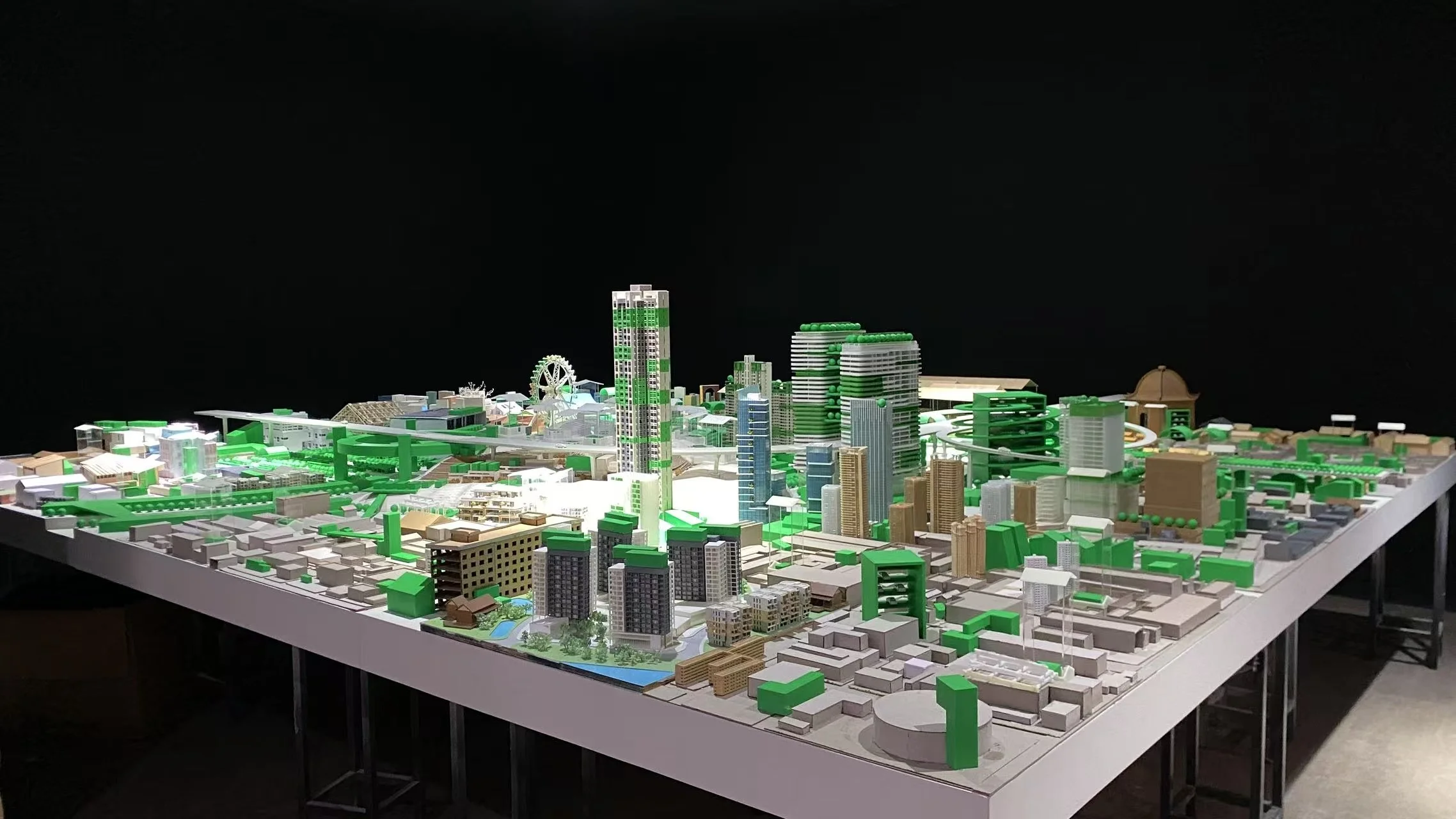
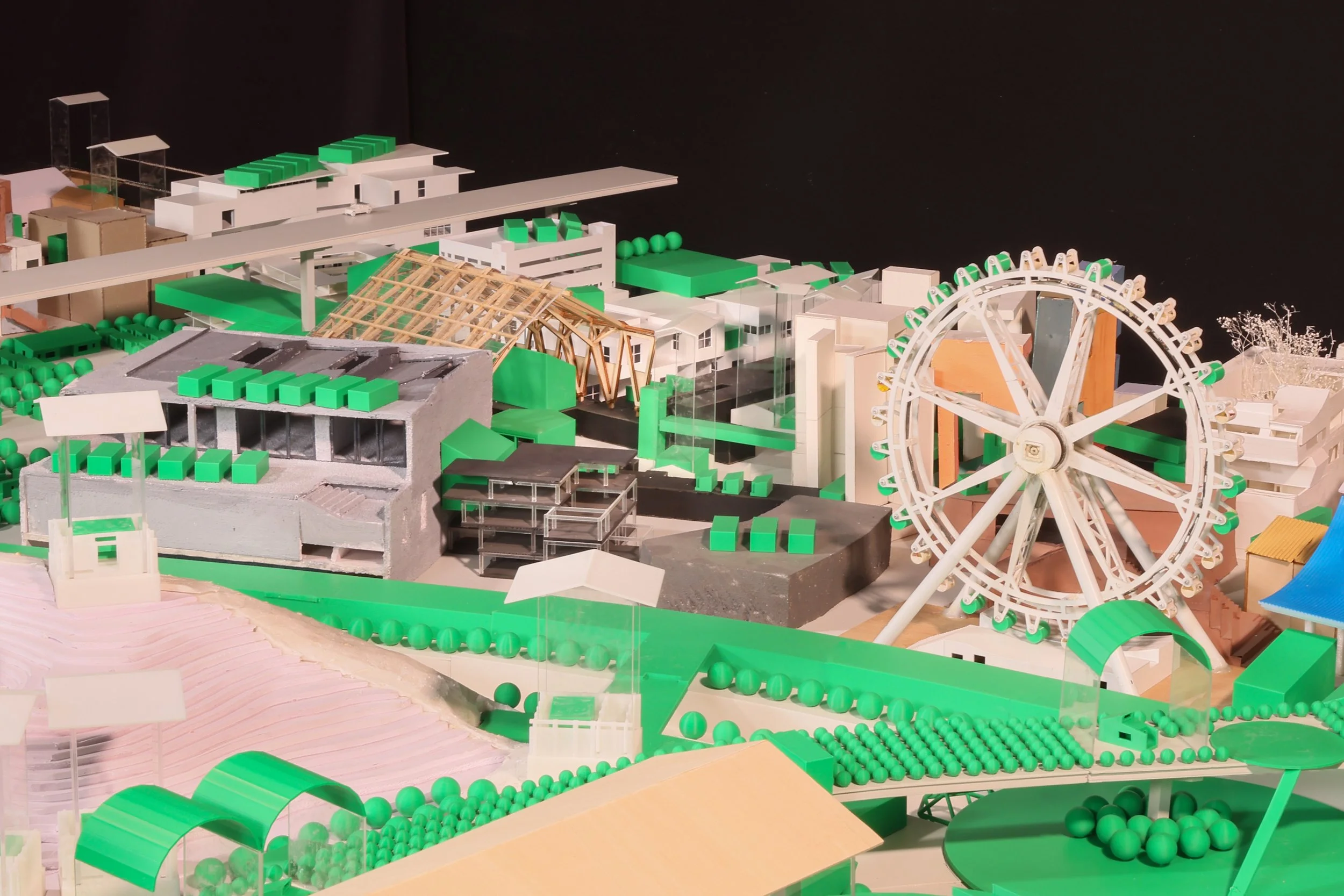
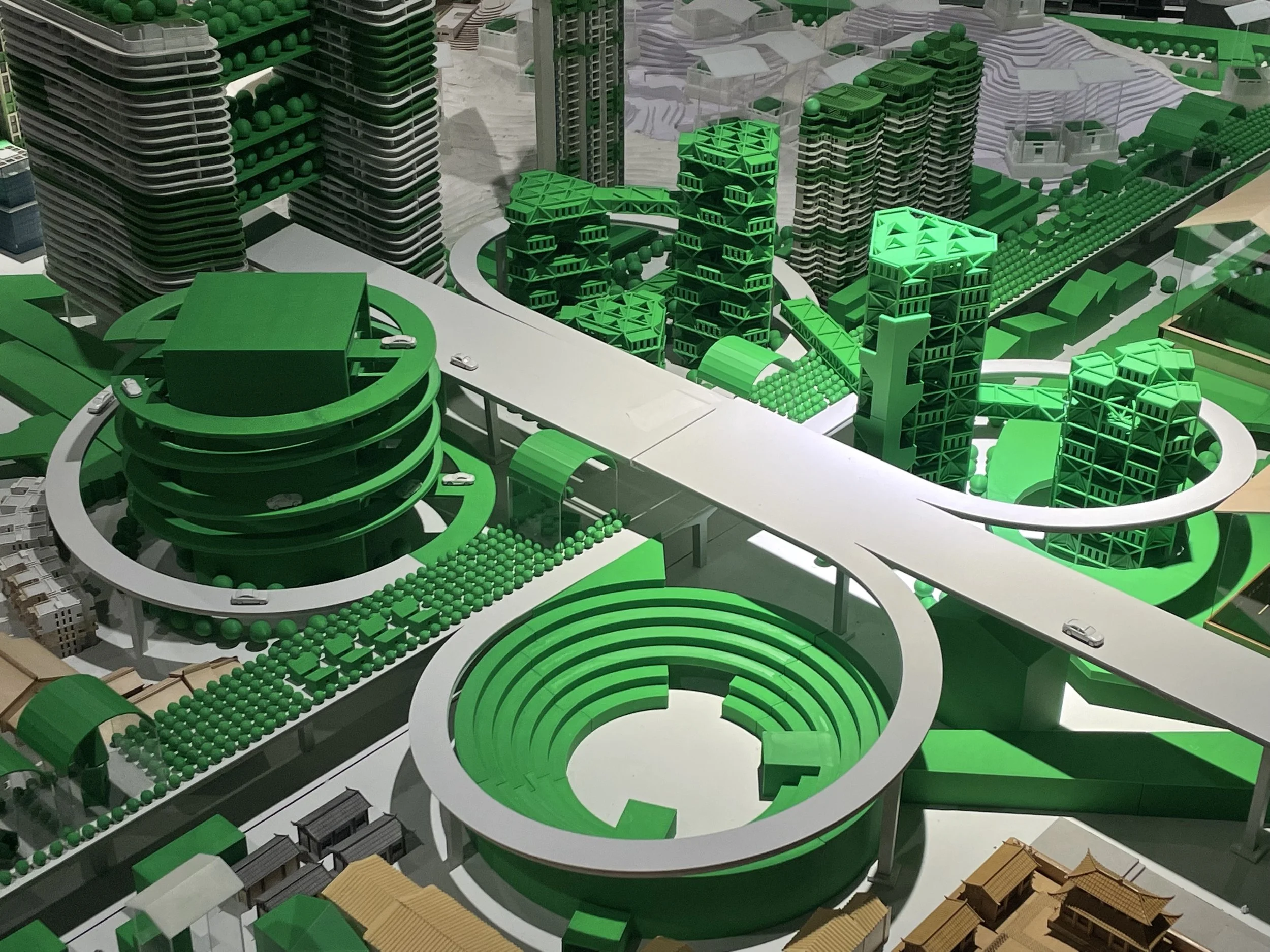
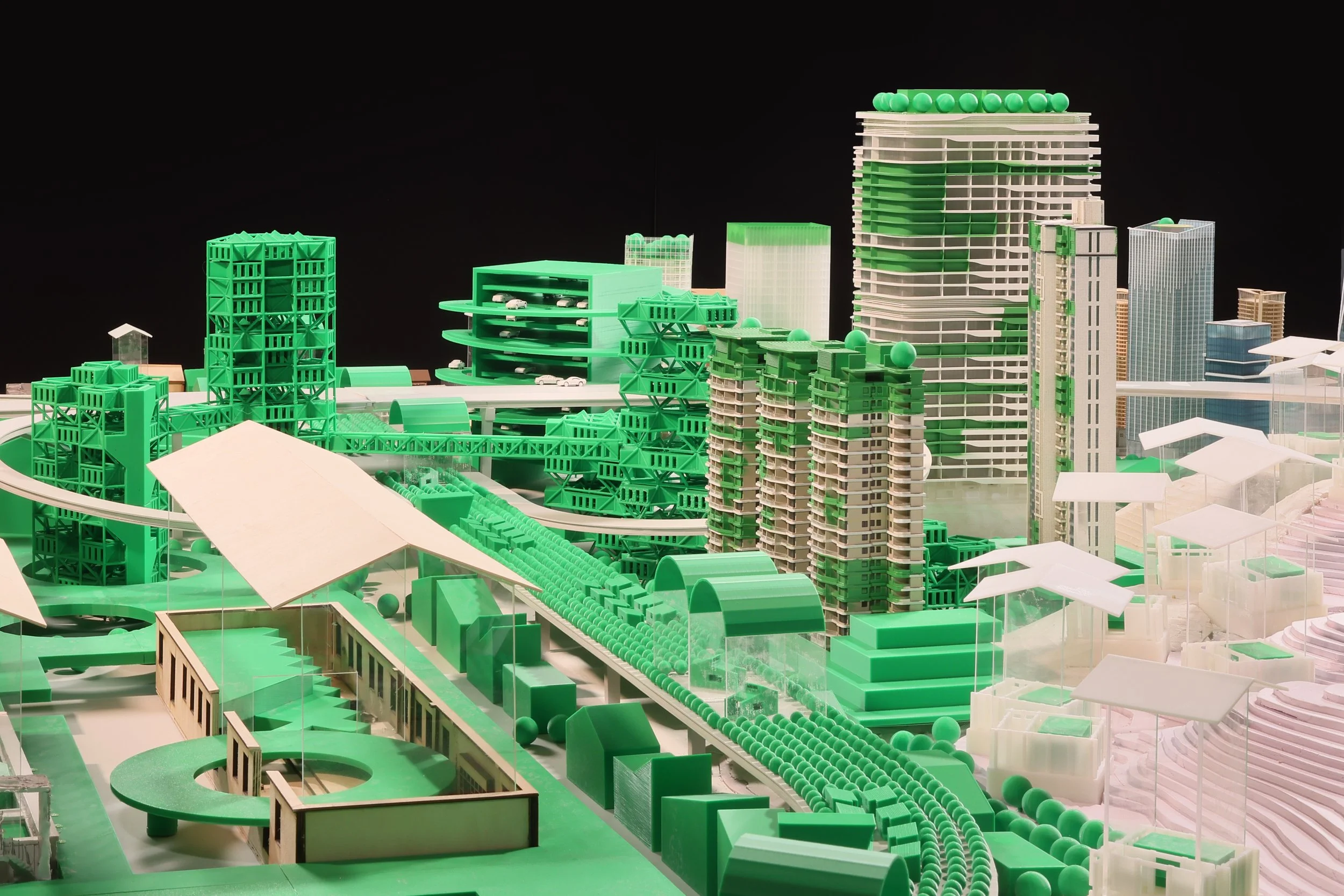
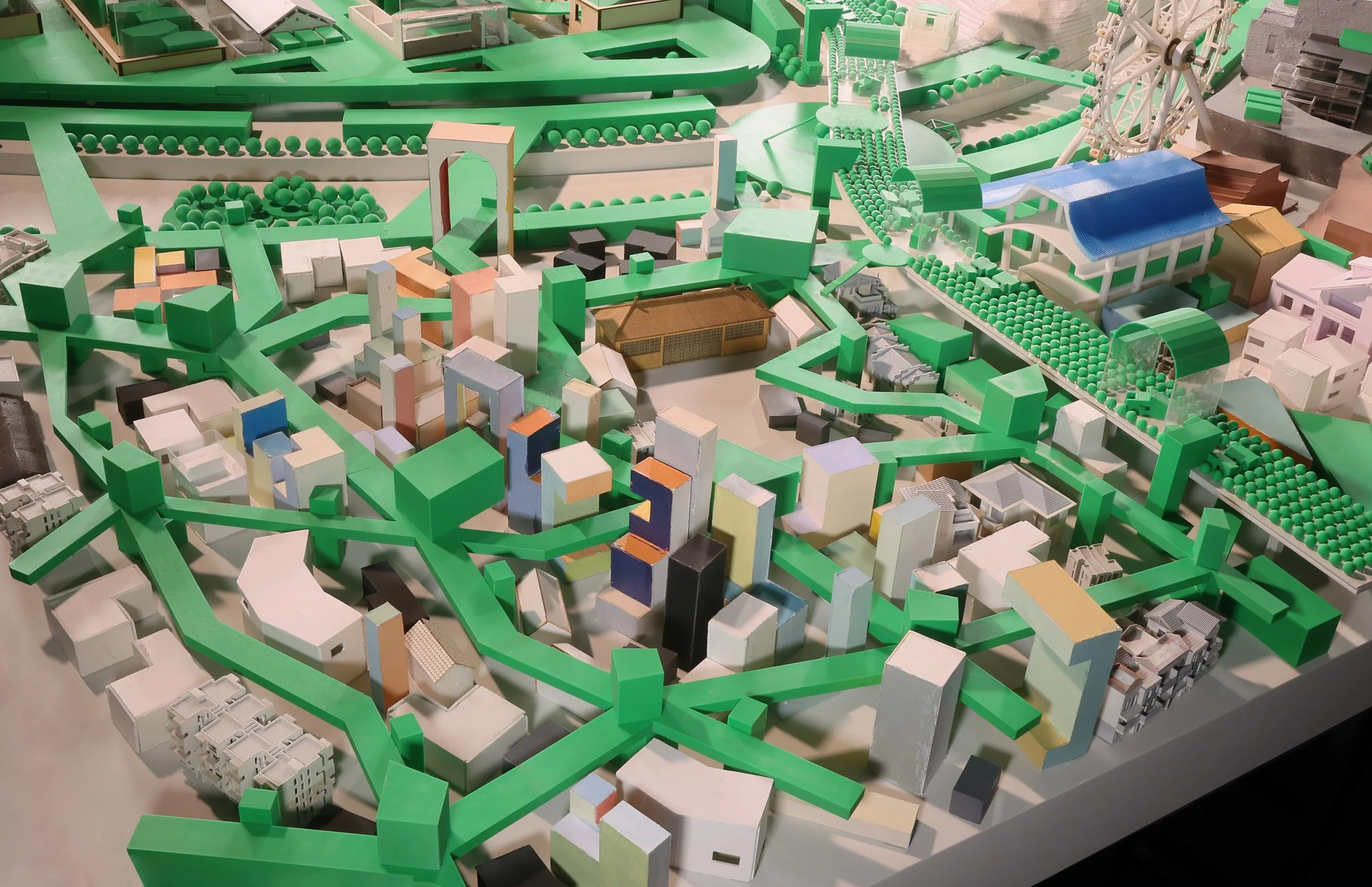
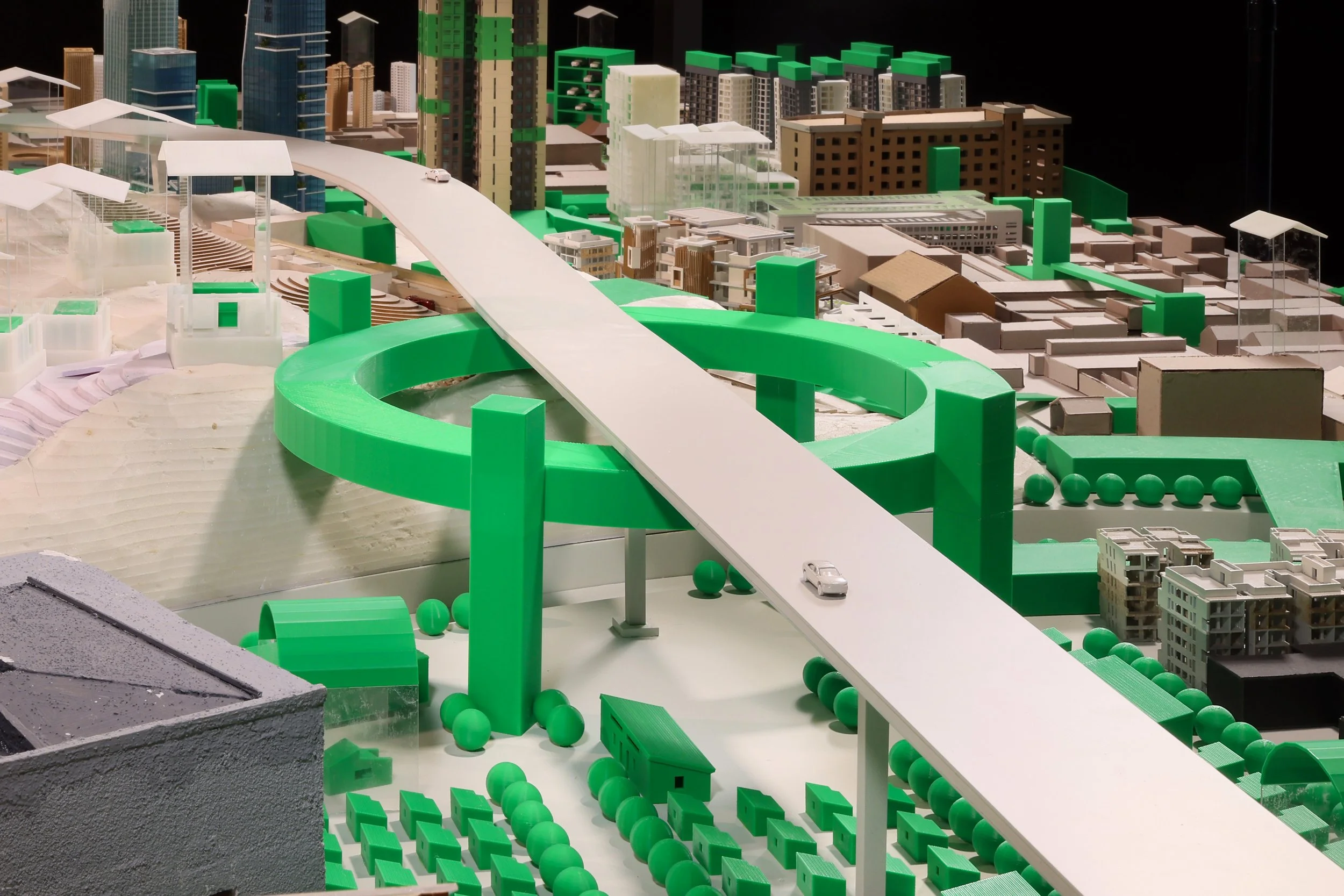
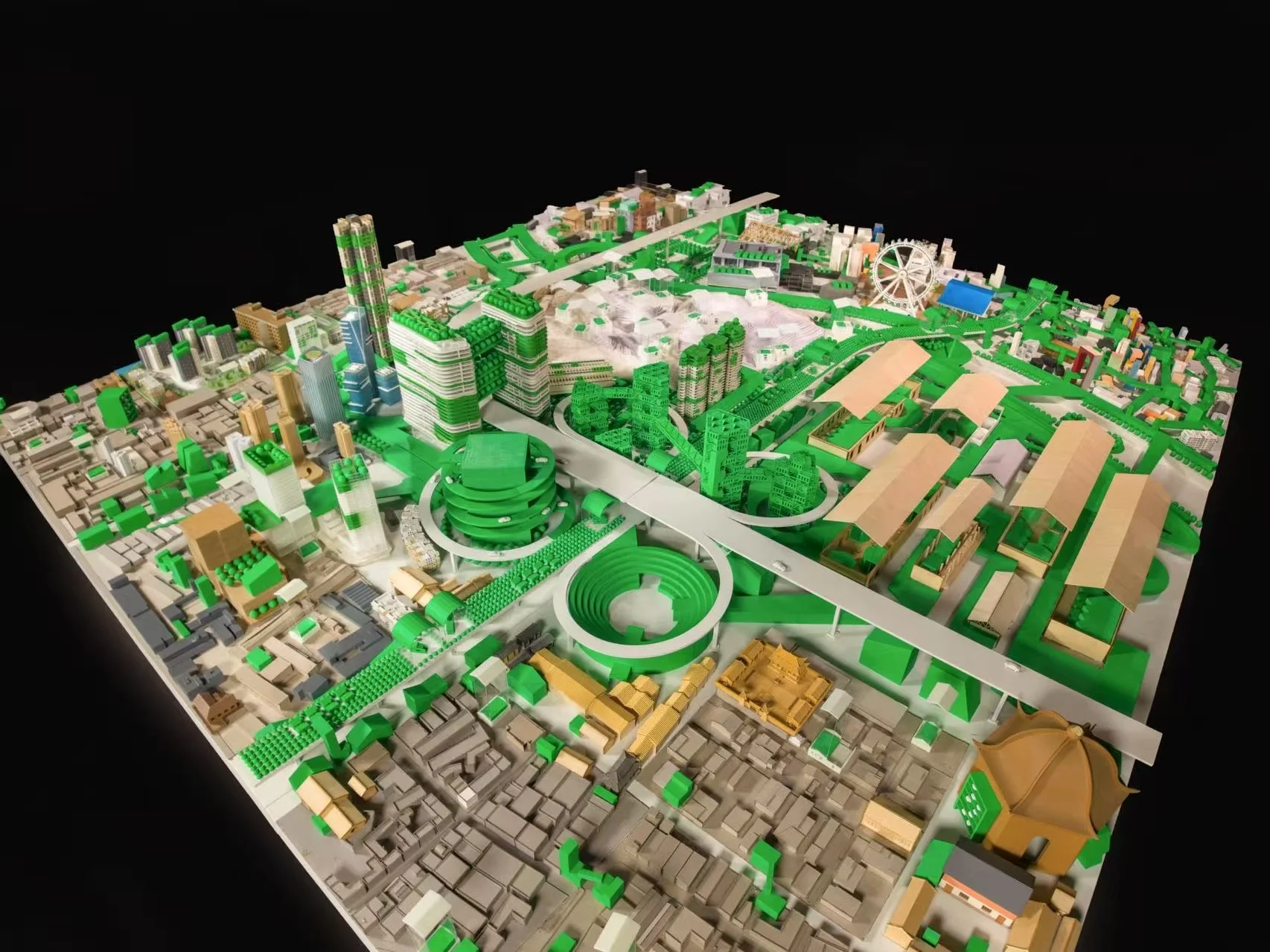
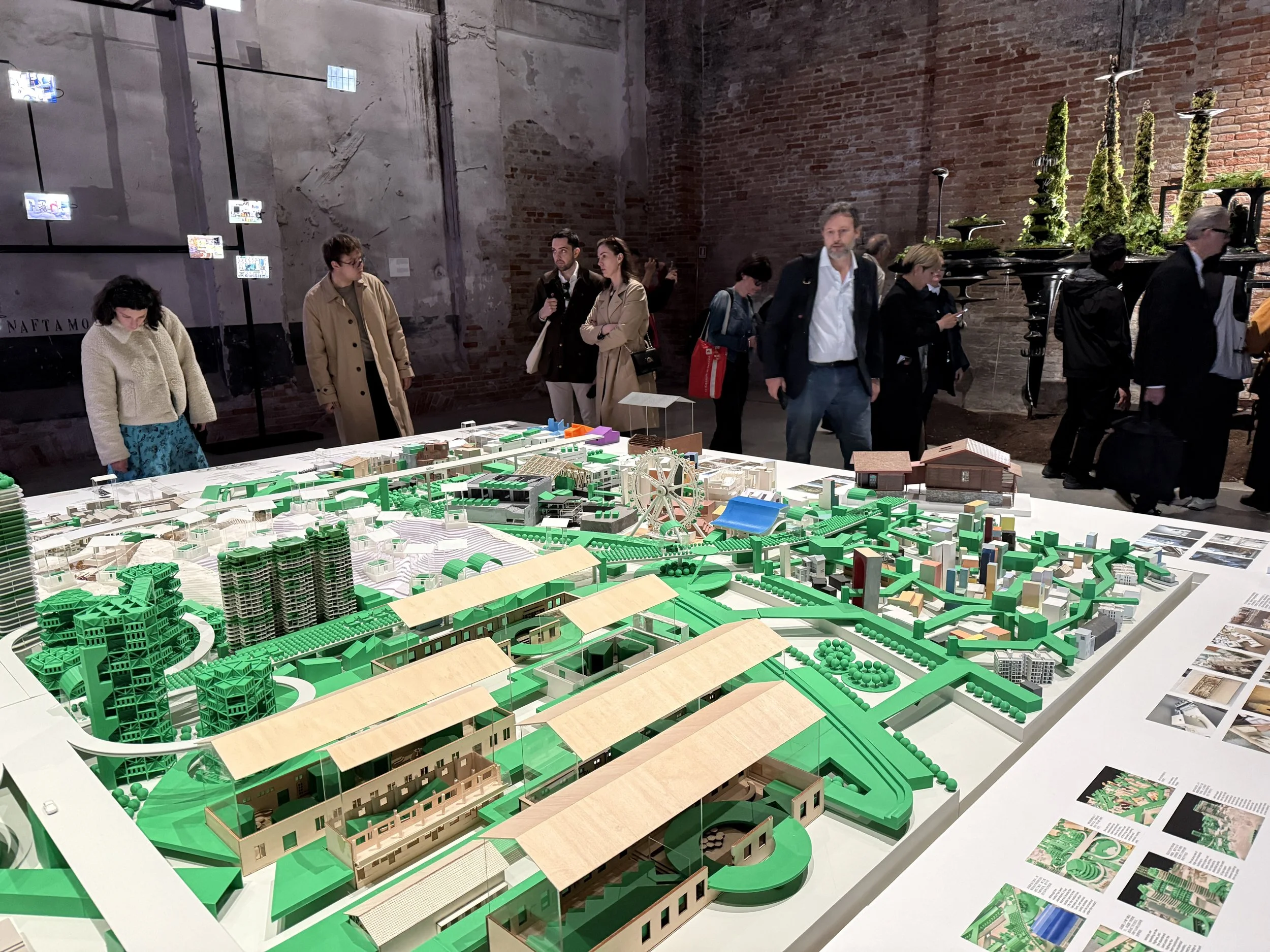
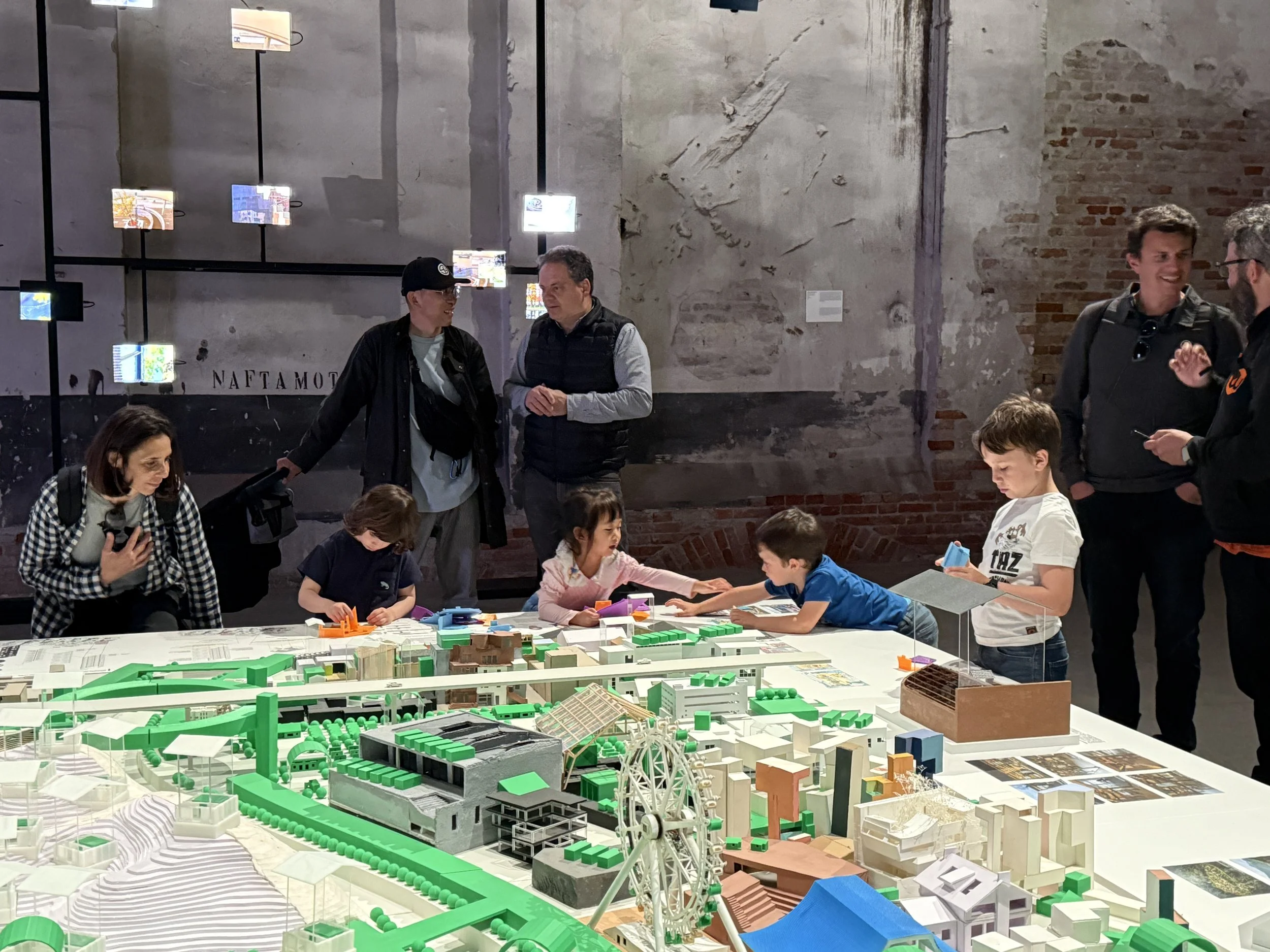
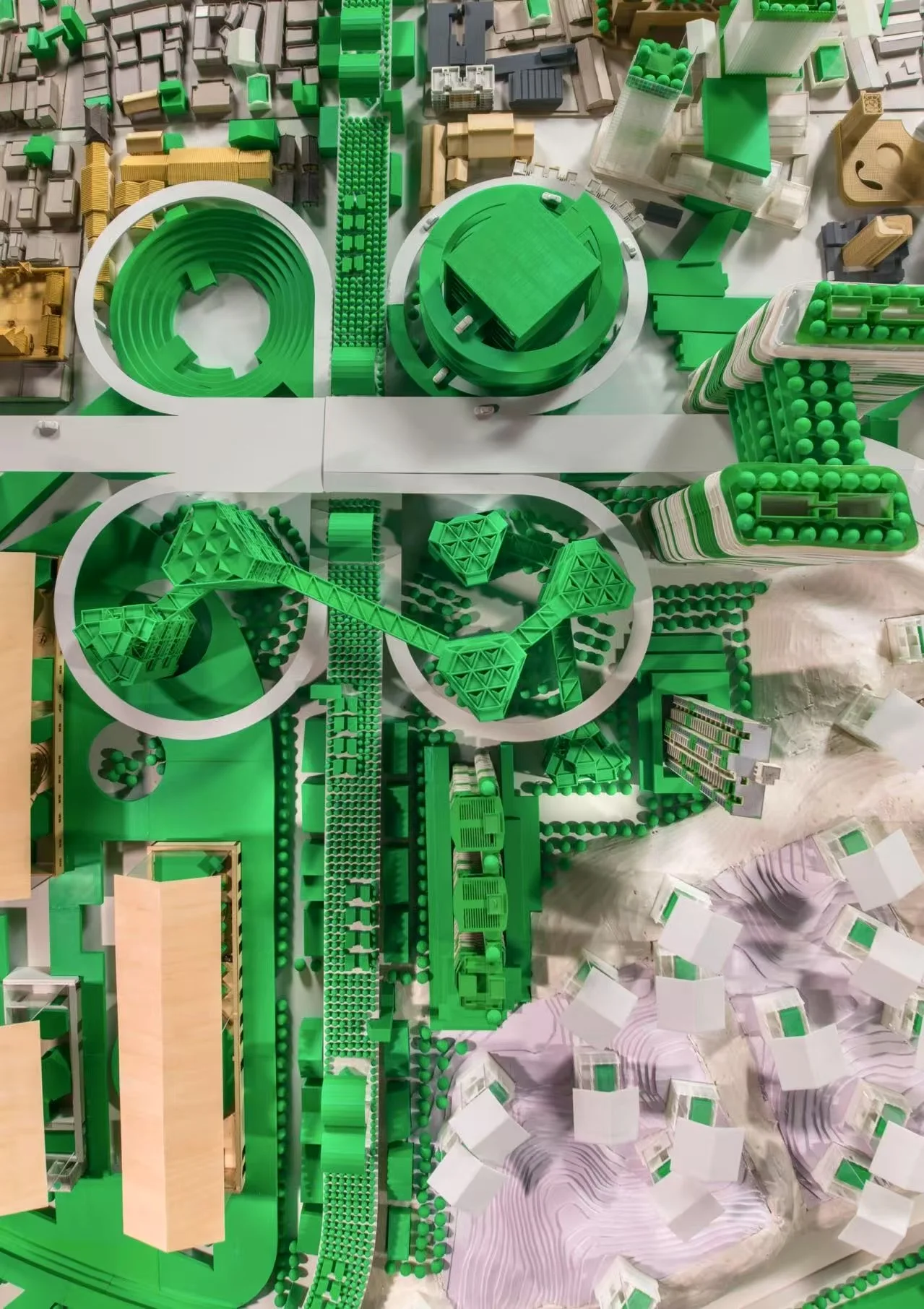
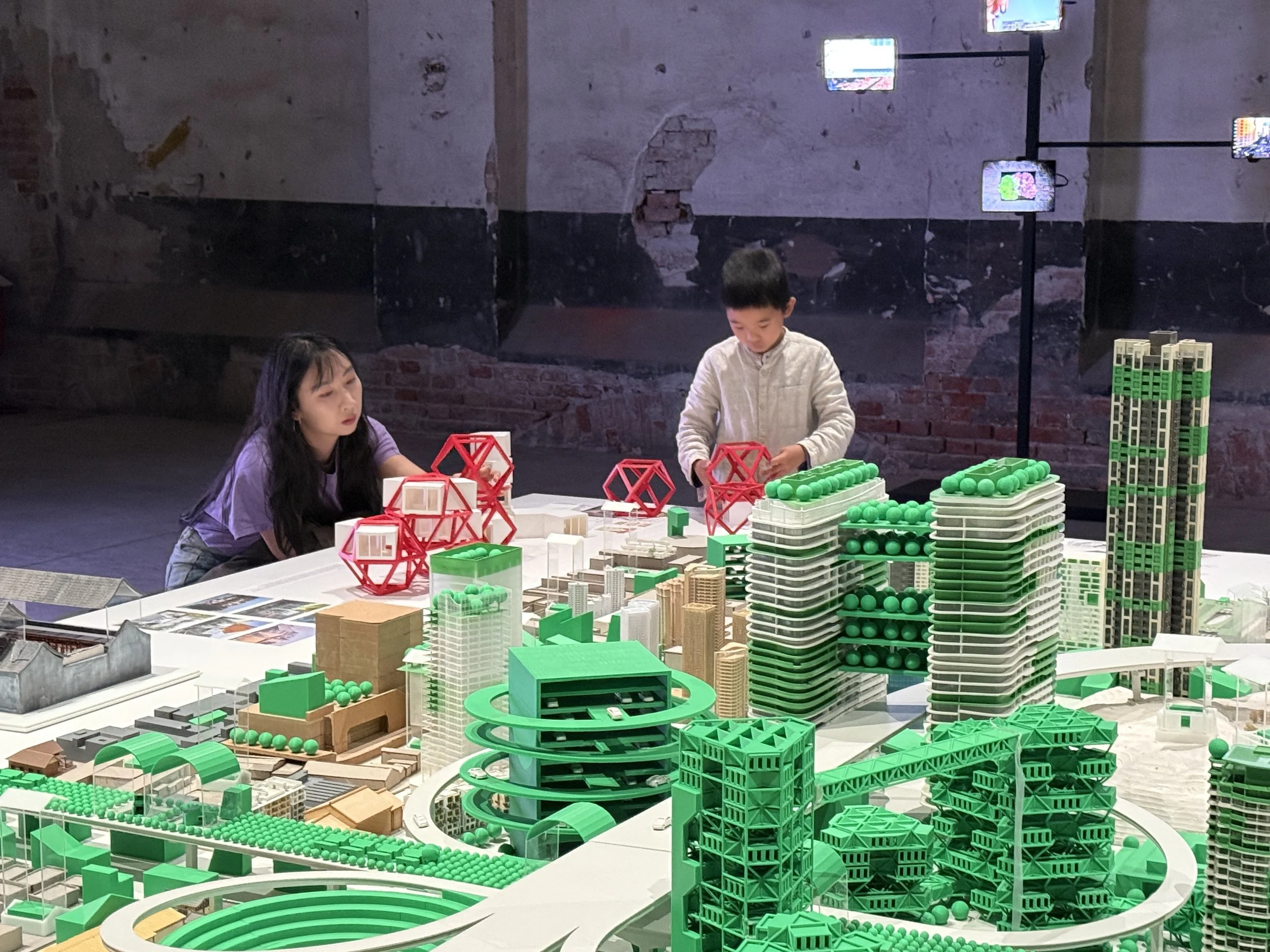
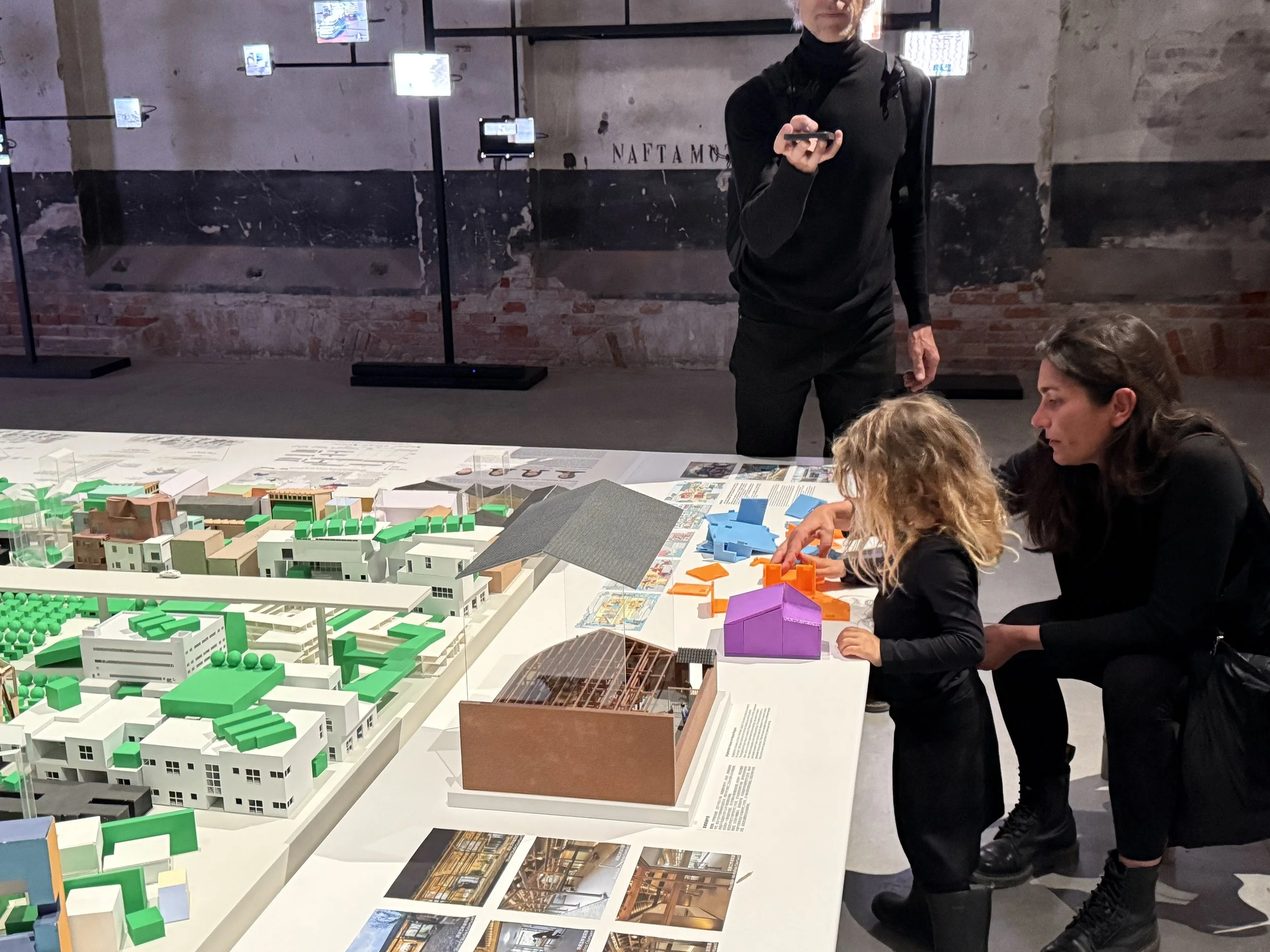
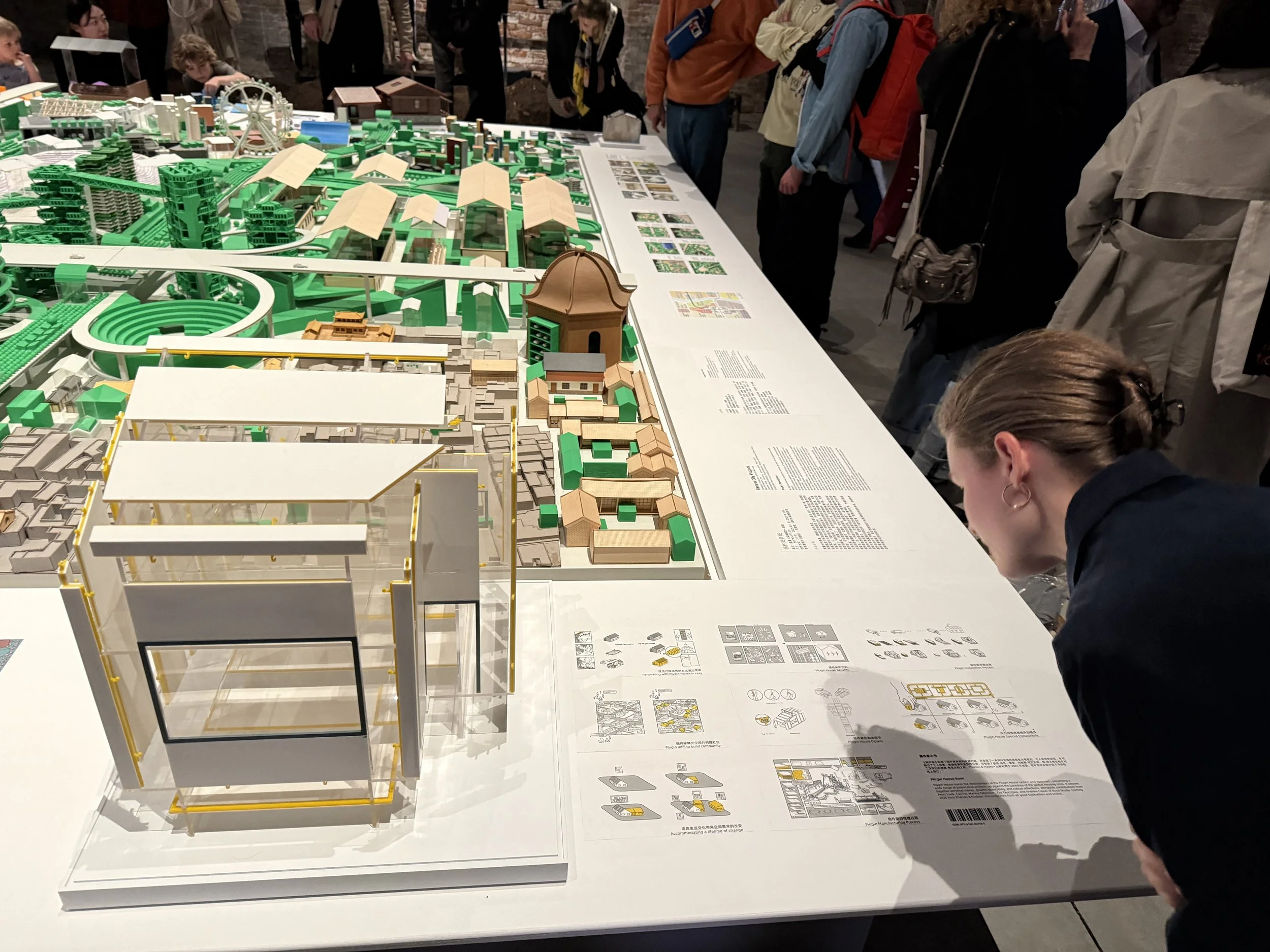
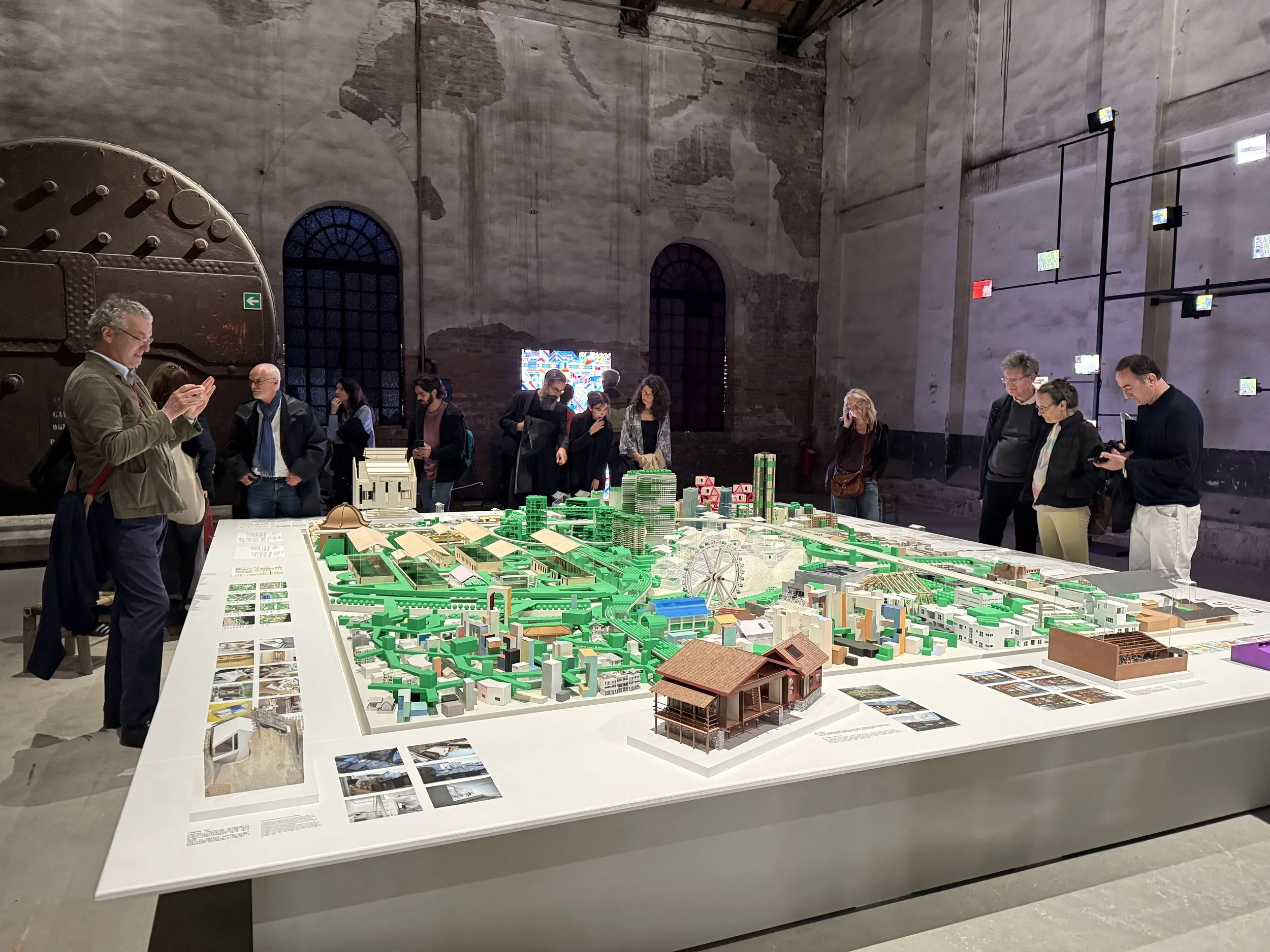
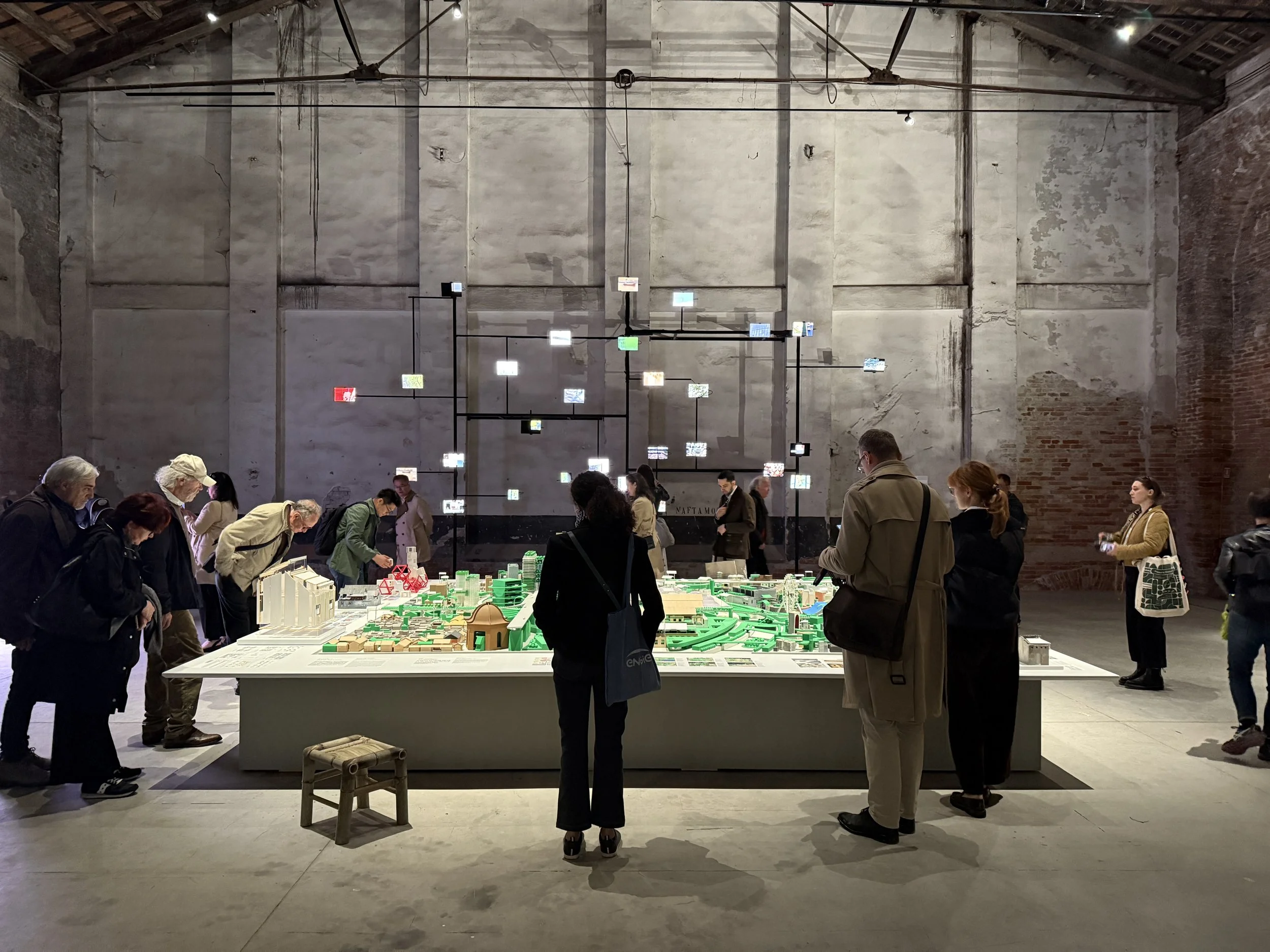
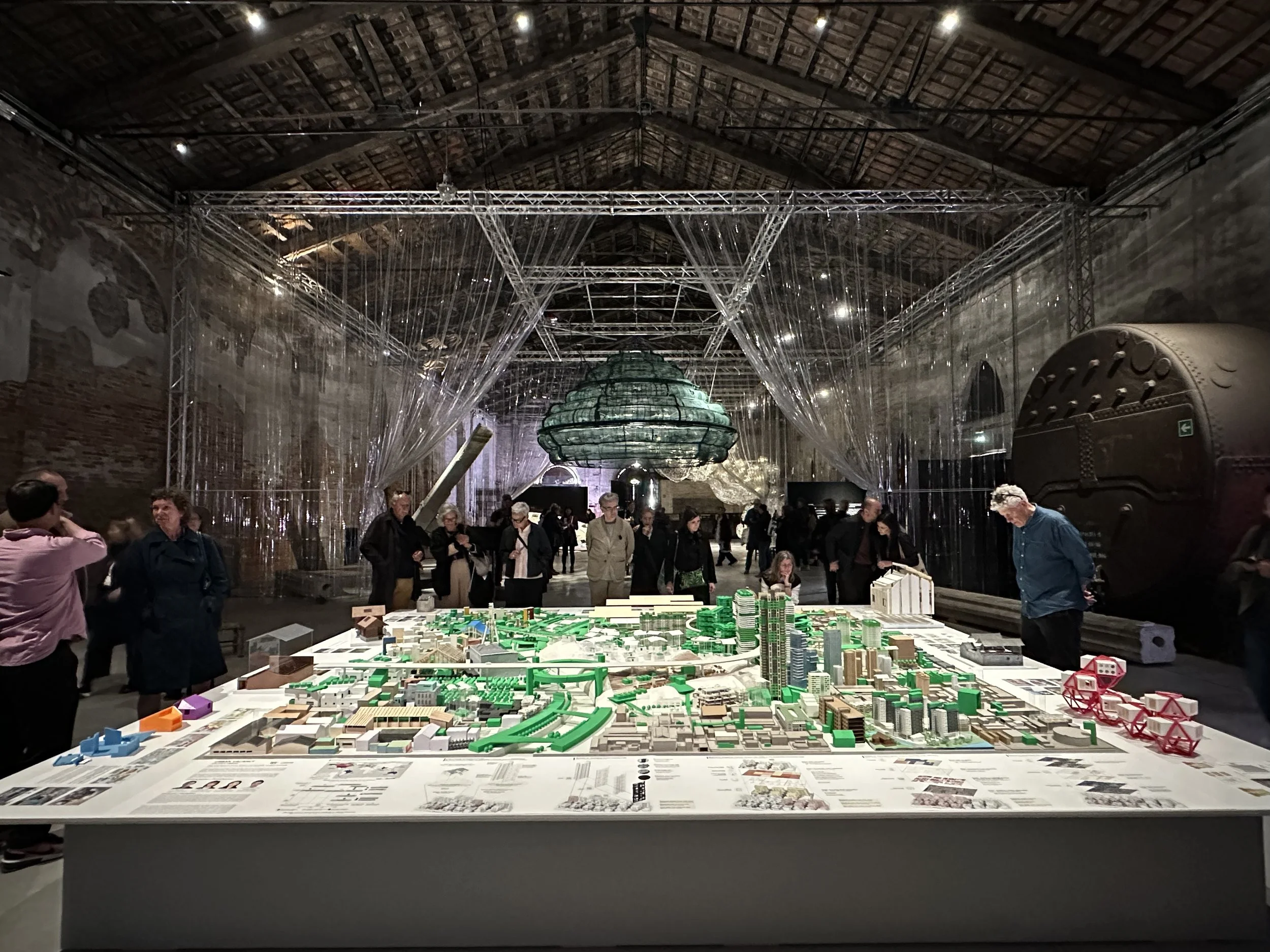
For Co-exist, the China Pavilion exhibition at the 2025 Venice Architecture Biennale curated by Ma Yansong, PAO assembled a model of a speculative city made from discarded architectural models collected across China. These salvaged fragments are collaged into a fictional yet contextually grounded urban landscape that embodies the spatial consequences of past development and the contradictions of the present. Rather than depicting a single place, the model forms an imagined composite, a city of fragments. Within this terrain, interventions highlighted in green illustrate plugin strategies drawn from PAO’s real-world work: buildings inserted within buildings, new volumes added above or below existing structures, and connective elements that introduce new forms of circulation, infrastructure, and occupation.
Renew City Plugins is presented alongside examples of built Plugin projects in both urban and rural contexts. These interventions are made possible by the Plugin System, a lightweight prefabricated construction method developed by PAO and produced by the Plugin House Company, a PAO spinoff. Instead of treating sites as blank slates, Plugins adapt to existing conditions, providing precise, low-impact architectural solutions that reenergize overlooked spaces.
Rather than advocating demolition or standardized redevelopment, the project proposes a regenerative approach rooted in creative reuse, architectural remnants, and strategic insertion. The speculative city becomes both metaphor and testing ground, illustrating how more resilient and inclusive futures can emerge by working within the constraints and opportunities of what is already there.